Weekly Themes
Guided play and thematic learning are essential in early childhood education, offering a balance between structure and child-led exploration. Through guided play, educators introduce new concepts and skills in a fun, engaging way, while allowing children the freedom to explore and make discoveries on their own. Themes add depth to learning by connecting activities to meaningful, real-world concepts that resonate with children, helping them grasp complex ideas through play. This combination not only nurtures cognitive, social, and emotional development but also builds foundational skills like problem-solving, language, and cooperation—key abilities that prepare children for kindergarten and set the stage for future academic success
What to Expect…

Music Time
Each theme includes 2-3 songs for the children to engage with, as we believe music plays a vital role in nurturing their development. Music encourages language growth, boosts memory, and enhances listening skills. Through singing, children learn new words, rhythms, and patterns, helping them express themselves more easily. It also supports emotional development, allowing them to explore feelings and build self-confidence. Additionally, singing together fosters social skills, teamwork, and makes learning fun and engaging.

Daily Reading
Daily reading is crucial for children, building language skills, expanding vocabulary, improving comprehension, and fostering creativity. It strengthens the caregiver-child bond and enhances concentration, listening, and emotional understanding. When books match a child's current interests or themes they're exploring, it deepens engagement and reinforces concepts. This connection makes learning more relevant, introduces new ideas, and encourages critical thinking, making reading both enjoyable and educational.

Artistic Exploration
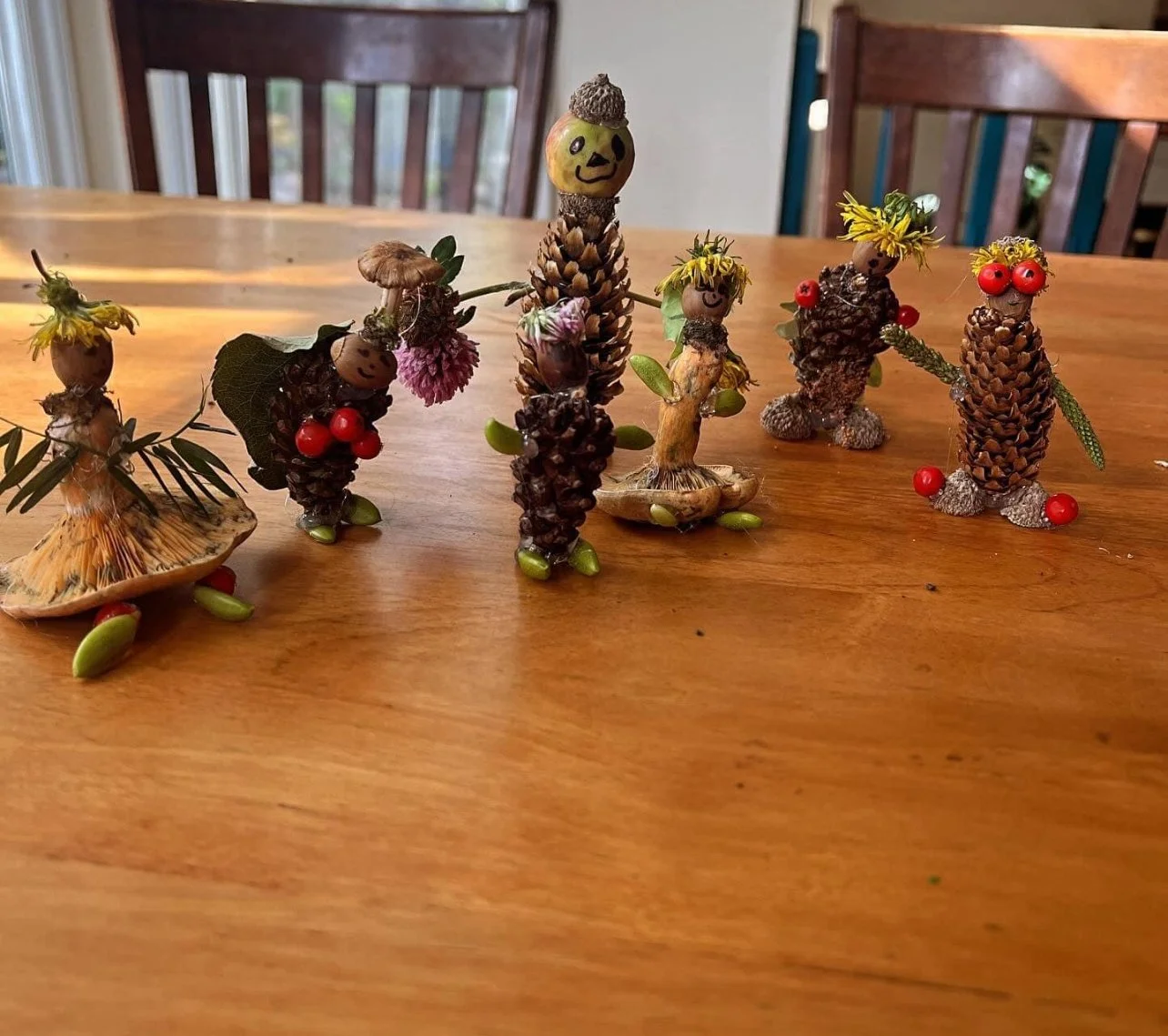
Art exploration, including drawing, painting, acting, and dancing, sparks creativity, self-expression, and problem-solving in young children. It develops fine motor skills through crafting and enhances coordination through movement. Art and performance encourage emotional expression, allowing children to communicate feelings they may not yet have the words for. Whether choosing colors or acting out stories, children make decisions that foster independence and confidence. Dance helps them explore rhythm and body awareness, while acting promotes imagination and storytelling. Art in all its forms offers a powerful, playful way for children to explore their world and express their inner thoughts.

Gross Motor Development
Creating games that promote physical activity benefits young children by building their gross motor skills, coordination, and overall fitness, while also boosting their energy and focus. These activities support healthy physical development and help children learn teamwork, cooperation, and problem-solving. Tying the games to a theme enhances engagement by sparking their imagination, making the activities more fun and meaningful. Themed games also encourage creativity and help reinforce other learning concepts, making physical activity a more holistic and enjoyable experience.

Sensory Play
Sensory play is vital for young children as it helps them explore and understand the world through their senses, promoting brain development, fine and gross motor skills, language, social interaction, and problem-solving. It also fosters emotional regulation and creativity. Sensory play can involve activities that stimulate touch, such as playing with sand or water, visual exploration with colors and patterns, auditory engagement through music or nature sounds, smelling different scents like flowers or spices, tasting safe foods, and activities that enhance body awareness, balance, and movement, like climbing or swinging. Combining these experiences creates a rich learning environment for young minds.

Baking Time
Baking with young children is highly beneficial as it engages multiple skills in a fun, hands-on way. It promotes math development through measuring ingredients, supports fine motor skills as they mix and pour, and enhances language as they follow instructions. Baking also introduces basic science concepts like mixing and changing states. Additionally, it encourages patience, teamwork, and boosts confidence when they see the results of their efforts. Overall, baking is a wonderful way to combine learning and creativity in a real-world context.

Science Experiments
Science experiments in an early childhood setting provide hands-on, exploratory learning that sparks curiosity and wonder. They help children develop critical thinking and problem-solving skills as they make predictions, observe outcomes, and draw conclusions. Experiments introduce basic scientific concepts in a fun, engaging way, fostering an early interest in how things work. They also build language and communication skills as children discuss their findings and expand their vocabulary. Additionally, science activities enhance fine motor skills through tasks like pouring, mixing, or assembling materials. Overall, science experiments nurture curiosity, exploration, and a lifelong love of learning

Literacy & Numeracy Development
Introducing literacy and numeracy development at an early age through structured games and open-ended stations effectively fosters essential skills by setting clear guidelines, helping children practice concepts like counting and letter recognition. In contrast, open-ended stations allow children to explore at their own pace, allowing for that creativity and independent thinking we strive for. This combination creates a dynamic learning environment free of stress and expectations.
Explore Deeper
30 Themed Weeks
Get full details on each unique topic, including activity set-up and instructions, along with a complete supply list and book suggestions to go with each subject